

Products
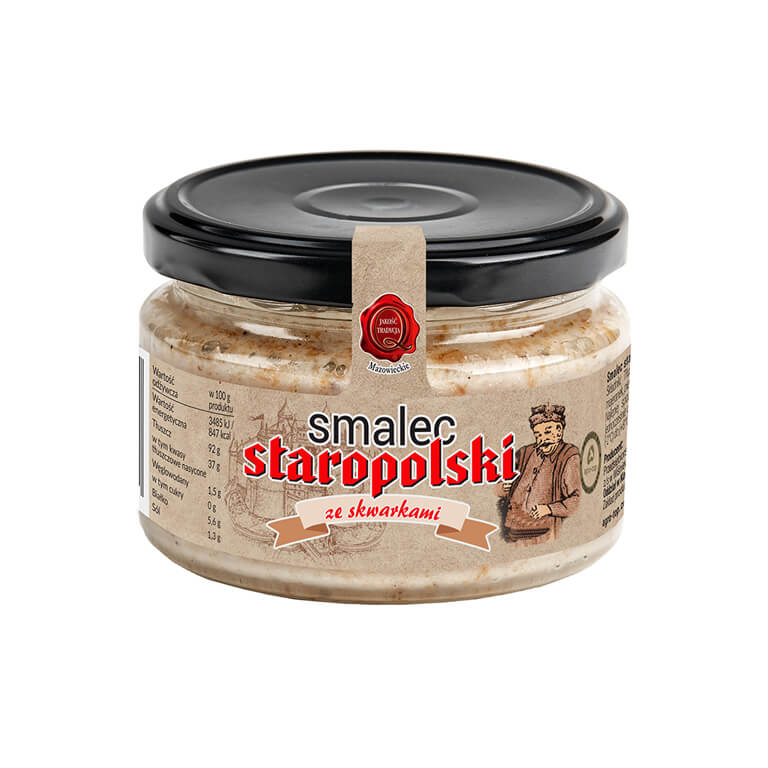
Traditional Polish lard with cracklings
Jar 200gOld Polish Lard with Scratchings – A Traditional Pork Spread, Rediscovered
Open a jar, spread it on rye bread, add a pickle on the side – this is how Poland has eaten lard for centuries. Old Polish Lard with Scratchings in a 200g glass jar brings that everyday ritual to your table: 67% pork fat, golden pork scratchings, onion, garlic, and a careful balance of pepper and marjoram. Nothing else. No preservatives, no thickeners, no artificial colours – just a traditional Polish lard spread (known locally as smalec ze skwarkami, or simply Polish smalec) made the way Polish families have always made it.
The 200g lard jar is a deliberate choice: clear glass so you can see what you are buying, an airtight seal that keeps fridge odours out, and a size that is right for a few meals at home or as a starter in a small bistro. After opening, the spread keeps its creamy texture and full aroma. Whether you are discovering Polish food for the first time or you grew up with it, the recipe inside this jar has not changed.
Dostępne warianty


What Is Lard, and What Makes Polish Lard Different?
What is lard made from? Lard is rendered pork fat – natural fat slowly melted down from the pig, then cooled into a soft, creamy fat. That is the whole answer. No chemistry, no additives, no industrial processing. Humans have been making lard for thousands of years, long before vegetable oils existed.
Polish lard – smalec in Polish – is something else entirely. It is a seasoned, ready-to-eat spread. The rendered fat is stirred together with crispy pork scratchings, golden fried onion, garlic, pepper, and marjoram, then poured into a jar to cool. The result is creamy at room temperature, broken up by visible pieces of crackling and onion, and ready to spread on bread the moment you open it.
That is the difference: not a baking ingredient sitting in your pantry, but a finished spread – Poland’s answer to British bread and dripping, French rillettes, or German Schmalzbrot. For the Polish community abroad – and for anyone discovering Polish cuisine – smalec ze skwarkami is a staple of home cooking that connects every plate back to family tables in Poland.
Is Lard Healthy? Is Lard Good for You? What the Research Says
Lard has been getting a second look from nutrition researchers in recent years, and the findings help explain why. Studies of pork lard show a more balanced fatty acid profile than its old reputation implied. Over 60% of the fatty acids in lard are unsaturated, including oleic acid – the same monounsaturated fatty acid (MUFA) that olive oil is celebrated for. Is lard healthier than olive oil? The honest answer is more nuanced than the old labels suggest: they share a similar core fat profile.
That balance has practical consequences. Research suggests lard is more easily absorbed and better tolerated than many heavily processed fats, and that it increases the feeling of satiety – you feel full sooner and stay full longer.
There is also a clear cooking advantage: lard is thermally stable. It does not break down easily under heat, it carries the aroma of spices well, and it does not splatter at high temperatures the way some oils do. Within a balanced diet, natural lard is a sensible, energy-dense source of fat – especially in cooking traditions that have used it for centuries.
This is general information about the nutritional profile of pork lard, not medical advice.
How the Poles Have Always Eaten Lard – The Tradition of Chleb ze Smalcem
Ask any Pole about chleb ze smalcem – literally lard on bread – and you will hear a story about a grandmother, a kitchen table, or a country house lunch. For generations, this has been one of the simplest and most popular snacks in Polish home cooking: a thick slice of sourdough or rye, a generous layer of seasoned lard, and a pickled gherkin on the side.
Across Europe, similar traditions exist – British bread and dripping, French rillettes, German Schmalzbrot – all humble, fatty, full of character. The Polish version stands out because the lard itself is already seasoned with onion, garlic, and marjoram, so the flavour is built in from the first bite. These are kitchen-table foods, the kind that are difficult to replicate at industrial scale.
This is not a forgotten rural curiosity. It is a living part of Polish cuisine – served at home, on starter boards alongside cured meats and cheeses, and often a pleasant surprise for guests who have never tried it before.
What Is Inside the Jar – Ingredients and Why They Matter
Real ingredients, nothing else. The recipe is short on purpose:
- 67% pork fat – the base, rendered using traditional methods
- Pork scratchings – crispy, golden pieces stirred through the spread for texture and bite
- Fried onion – sweet and golden, the backbone of the aroma
- Garlic – subtle but unmistakable
- Marjoram – the defining herb of Polish home cooking, with a warm, slightly peppery note
- Black pepper – for depth
No preservatives. No thickeners. No artificial colouring. What you see in the jar is what is in the jar – a creamy base flecked with visible pieces of crackling and onion, in the natural colour of fat that has not been bleached or chemically treated. This is artisan lard, made the traditional way.
How to Use Polish Lard with Scratchings – Cooking with Lard at Home
Wondering what to use lard for? There are two simple ways to enjoy it: cold, straight from the jar, or warm, melted over food.
Cold
- Spread thickly on rye bread or sourdough – the classic Polish way, served with a pickled gherkin, sliced radish, or a few rings of raw onion
- Add to a charcuterie board alongside cured meats, cheeses, and marinated vegetables
- Bring the jar straight to the table with beer or chilled vodka – an instant Polish-style starter
Warm
- Melt a spoonful over boiled potatoes, dumplings (such as pierogi – traditional Polish filled dumplings), or pasta as a finishing fat
- Use as a base for frying onions, vegetables, or meat – lard for frying carries spice aromas beautifully and does not splatter
- Stir into stews, baked dishes, or grain dishes like buckwheat or barley – food cooked in lard takes on a creamier, more satisfying texture
Cooking with lard is also a step toward simpler ingredient lists in your kitchen: one fat, one source, no industrial blending. Whether you reach for lard for cooking everyday meals or for special-occasion dishes, the result is the same natural flavour.
Lard vs Butter vs Vegetable Oil – Which Should You Cook With?
Each fat has a place in the kitchen, but they are not interchangeable.
Lard vs butter: The lard smoke point is higher than butter’s, which means it stays stable at temperatures where butter starts to burn. It is also more neutral in savoury cooking, while butter brings a pronounced dairy flavour to a dish.
Lard vs vegetable oil: Refined vegetable oils go through extensive industrial processing – something traditional pork lard does not. Lard is more thermally stable and far less processed. For frying, particularly at higher temperatures, it is the more straightforward choice.
Lard vs margarine: No contest. Margarine is a manufactured product; lard is rendered from a single ingredient.
The simple version: if you want a cooking fat that is natural, stable in the pan, and adds real flavour rather than masking it, traditional pork lard is the older – and arguably better – option.
A Jar That Is Made to Be Shared
The 200g glass lard jar is part of how the spread is served in Poland: open the lid, set the jar between people, place fresh bread next to it, and let everyone help themselves.
That makes it a natural fit for charcuterie boards, dinner parties, Polish-themed gatherings, or as a thoughtful food gift for someone who loves traditional European cooking. The jar is presentable enough to take to a dinner, generous enough for several people, and small enough to finish while it is still at its best.
A taste of Polish charcuterie tradition, ready in seconds.
Available Formats
Old Polish Lard with Scratchings is available in several sizes, all made to the same recipe:
- 200g jar – this jar, ideal for home use and small bistros
- 200g cup – a lighter, everyday format
- 350g pot – classic ceramic-style packaging
- 1,200g pot – the celebration size, popular for weddings and large gatherings
- 1 kg bucket – the format for restaurants, hotels, and catering
Whichever size you choose, the recipe inside is identical – the same pork fat, scratchings, onion, garlic, pepper, and marjoram.
Made in Poland by Agro-Top
Agro-Top is a Polish family-owned producer with more than 30 years of experience in rendering and processing animal fats. Our facility combines traditional rendering methods with modern food safety technology, certified to international standards including IFS and BRC.
Our products are sold throughout Poland and exported to nearly 40 countries worldwide. When you buy a jar of our lard, you are supporting a Polish family business and getting the assurance of natural ingredients and controlled quality, batch after batch.
Check out the culinary recipes that you can make yourself on our products
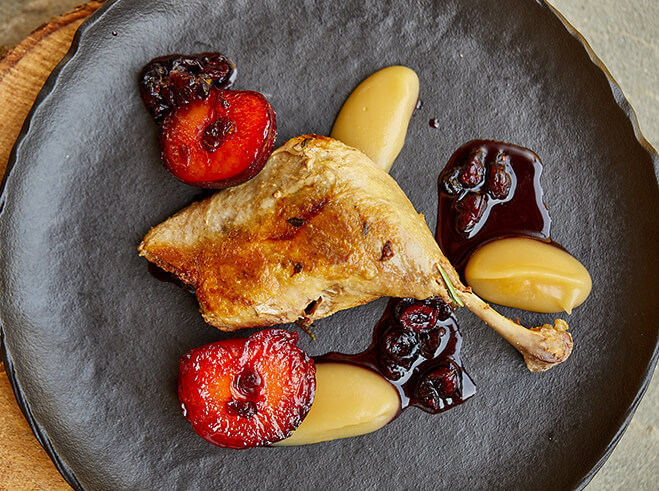 Duck leg confited in duck fat, served with antonna puree with cinnamon, plum stewed in red wine Duck lard
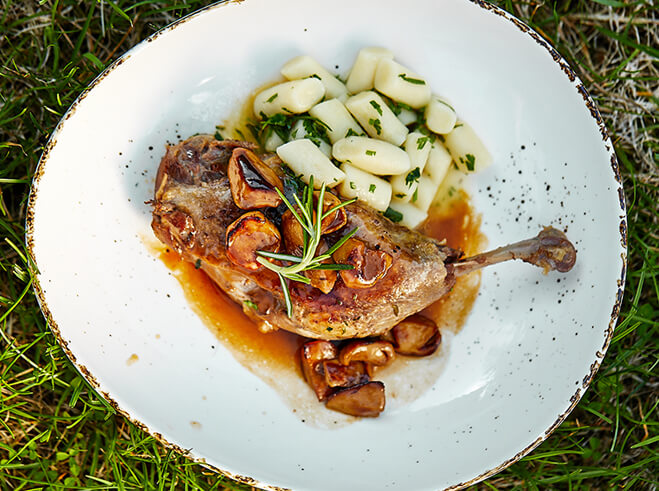 Goose leg configured in goose fat, served with butter potato cooked in butter-vegetable emulsion with parsley and fried borows on milk with garlic, shalloter and wine Goose lard
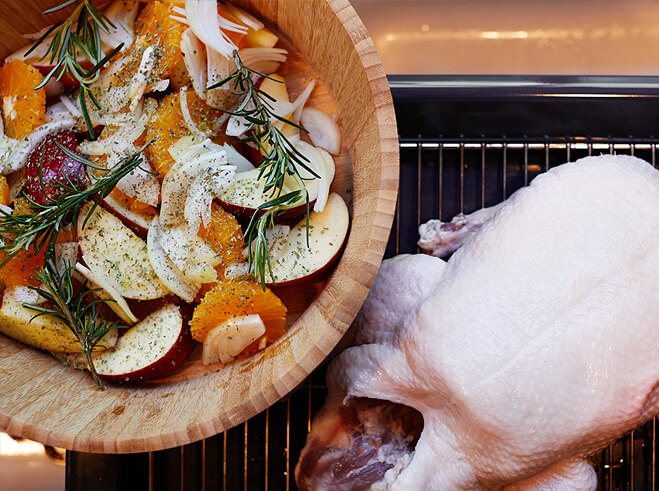 Baked duck stilled with orange, reneta gray apple, onion and marjeranna, served with caramelized apple with rosemary and blood orange Goose lard
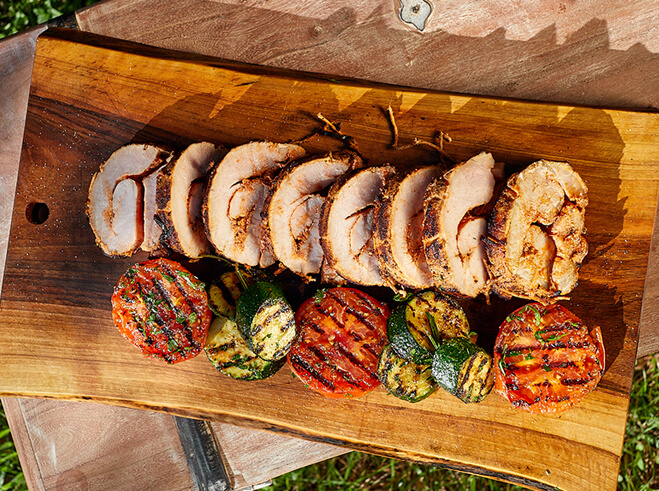 Italian pork pork pork filled with dried tomatoes, black olives, oregano and garlic. Duck lard
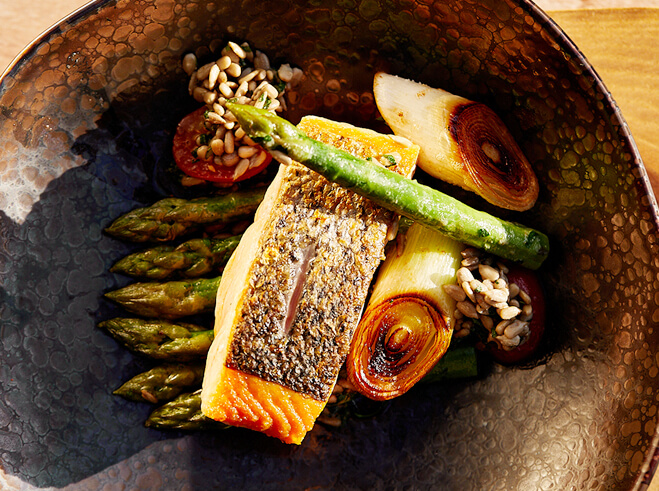 Sous vide cooked salmon with duck fat Duck lard
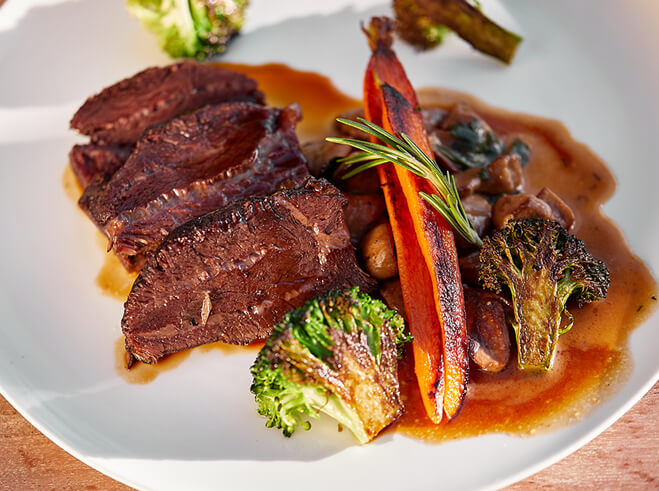 Slow-cooked beef served with roasted brocula with thyme, caramelized carrot and mushrooms Duck lard
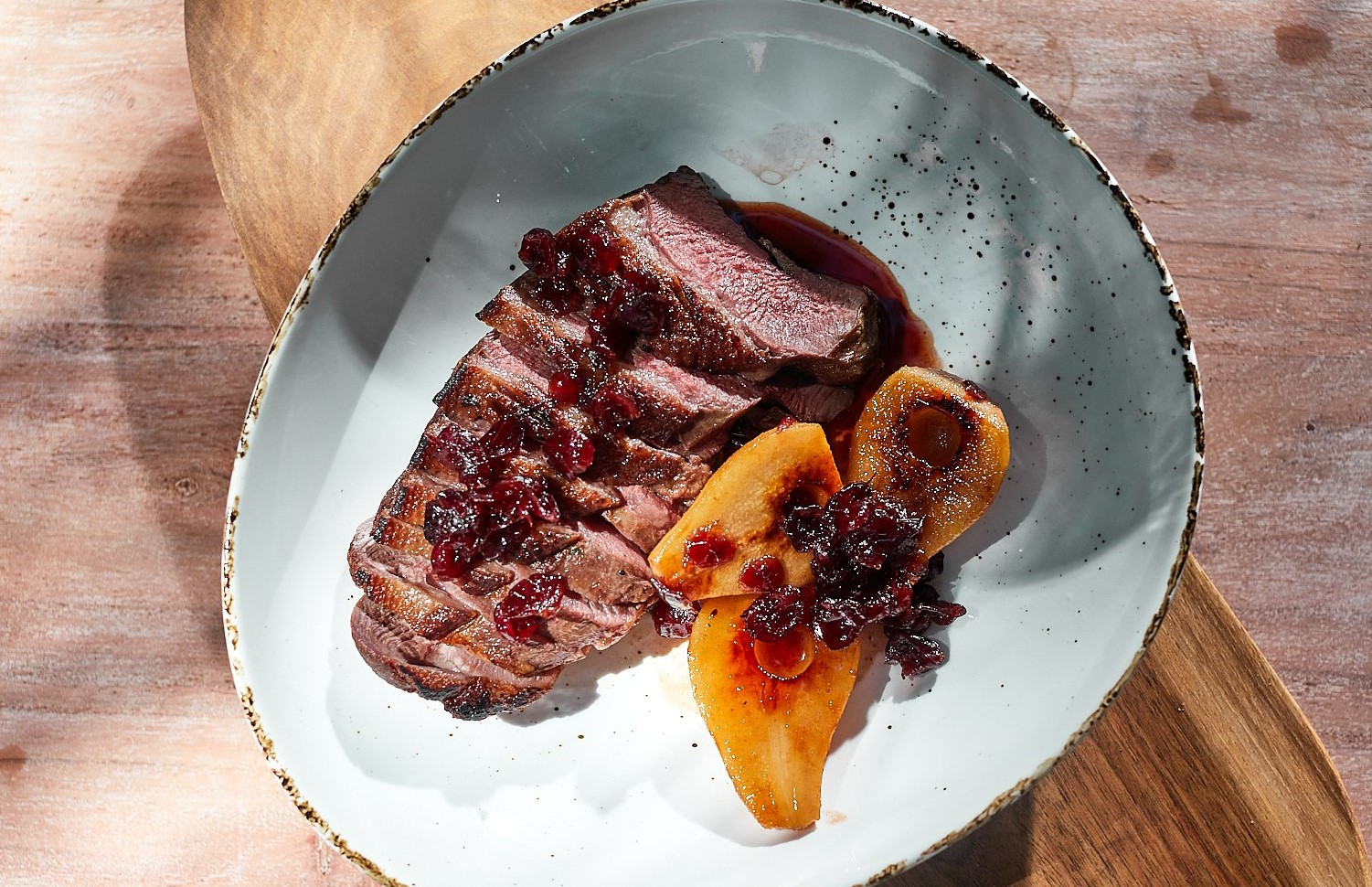 Goose breast fried from the skin on goose lard and baked in the oven, served with caramelized pear with anise and rosemary Goose lard
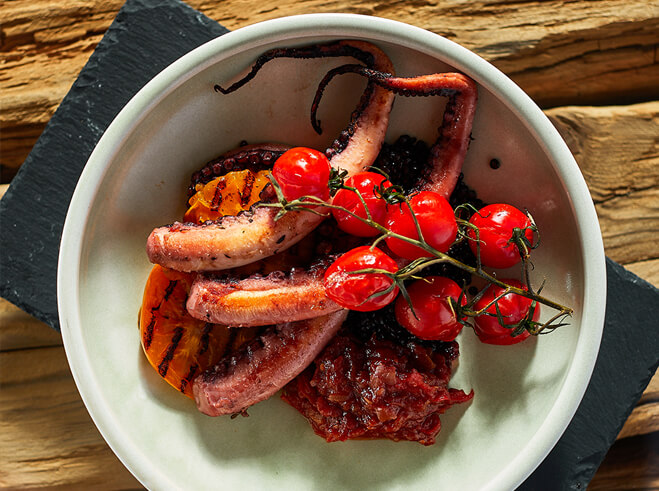 Cooked octopus with duck fat griped with duck fat with garlic, served with black lens, cooked with lemon grass and caffe leaf, served with grilled tomato tomato yellow Duck lard
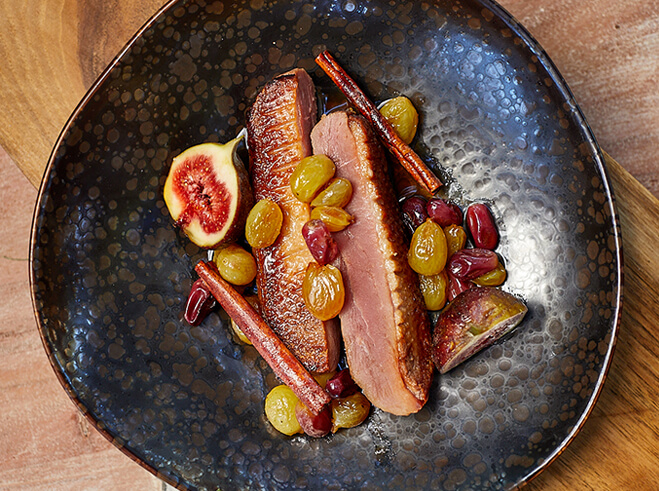 Duck breast fried from the skin on duck fat served with caramelized figs with cinnamon and white grapes stewed in white wine luction and vanilla grains Duck lard
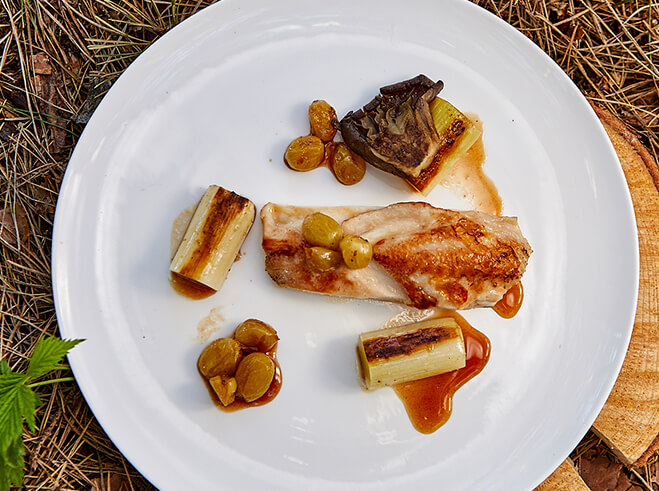 Chicken breast with bone and skin, cooked at low temperature with duck fat, thyme, garlic, salt and pepper, served with burned leek, grapes and mushrooms Duck lard
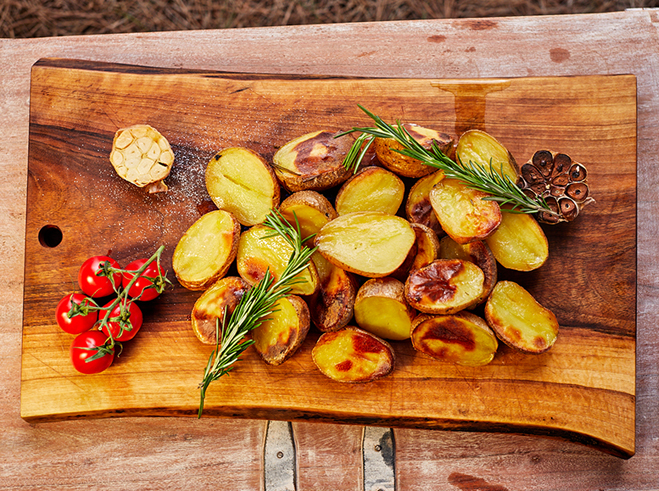 Baked potatoes with duck fat with fresh rosemary, garlic, salt, pepper and smoked peppers Duck lard
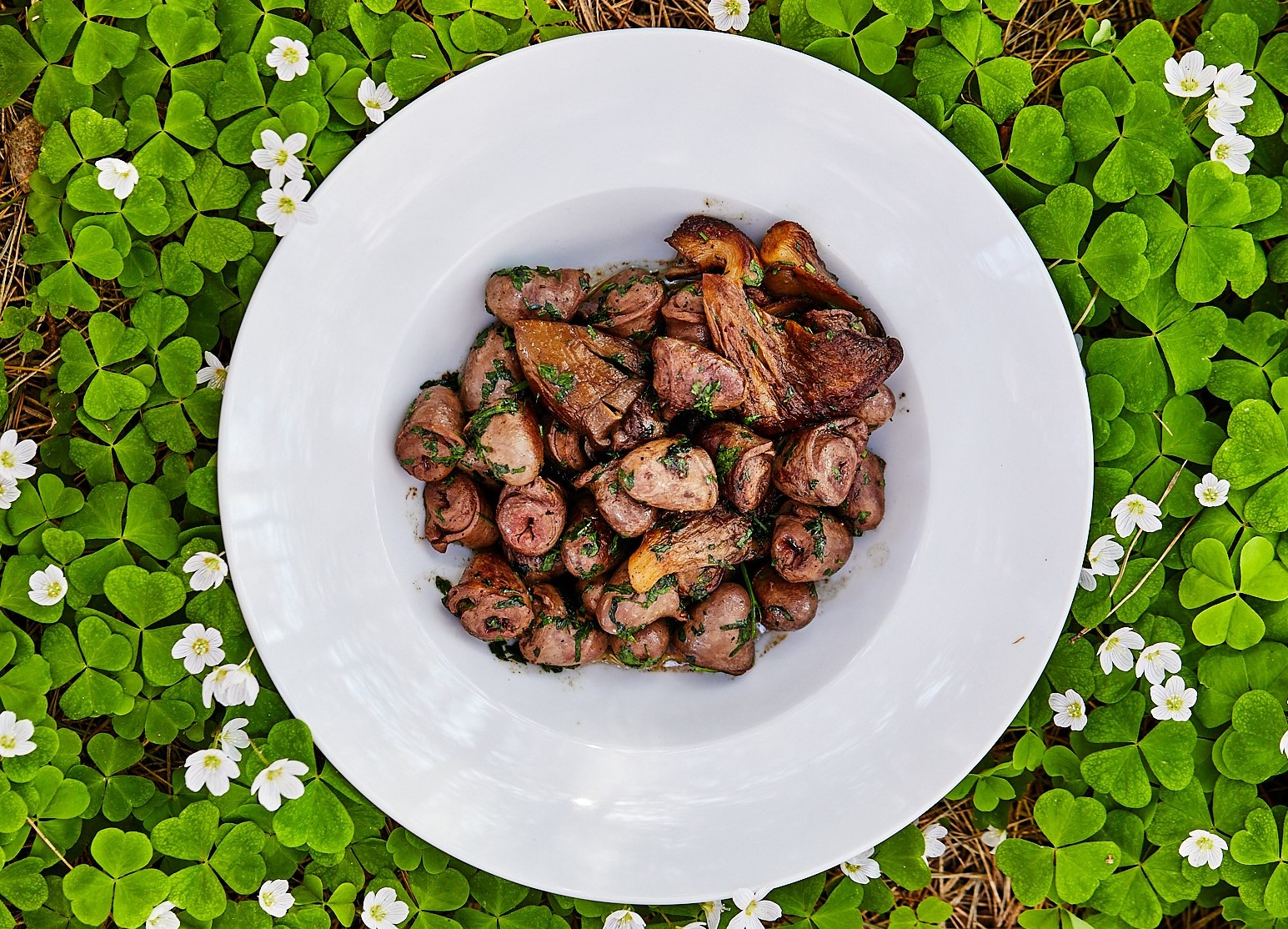 Duck-heart stew cooked in a low temperature with duck fat Duck lard
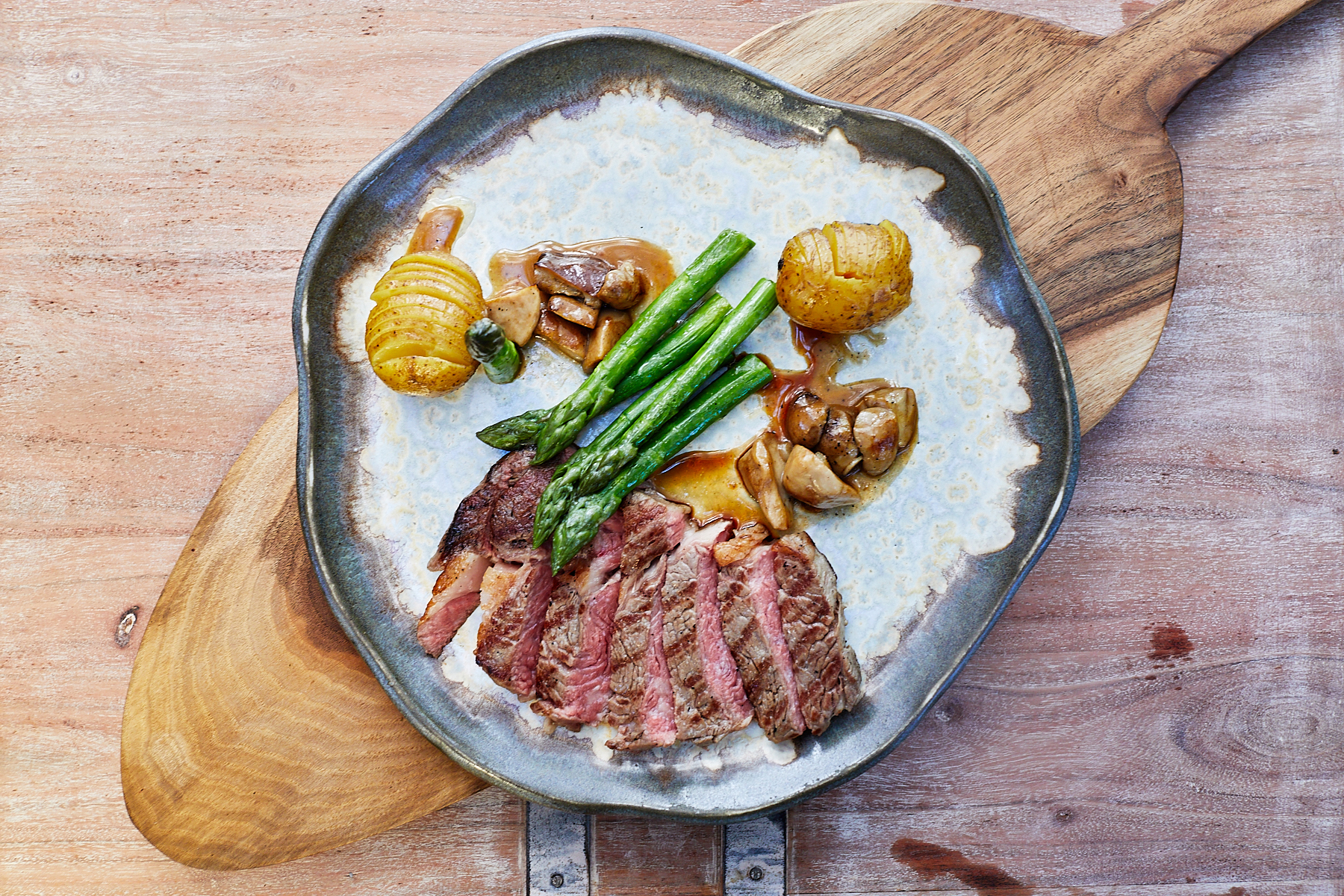 Beef entrecote, served with baked potatoes, green asparagus in butter emulsion with porcini mushrooms Duck lard
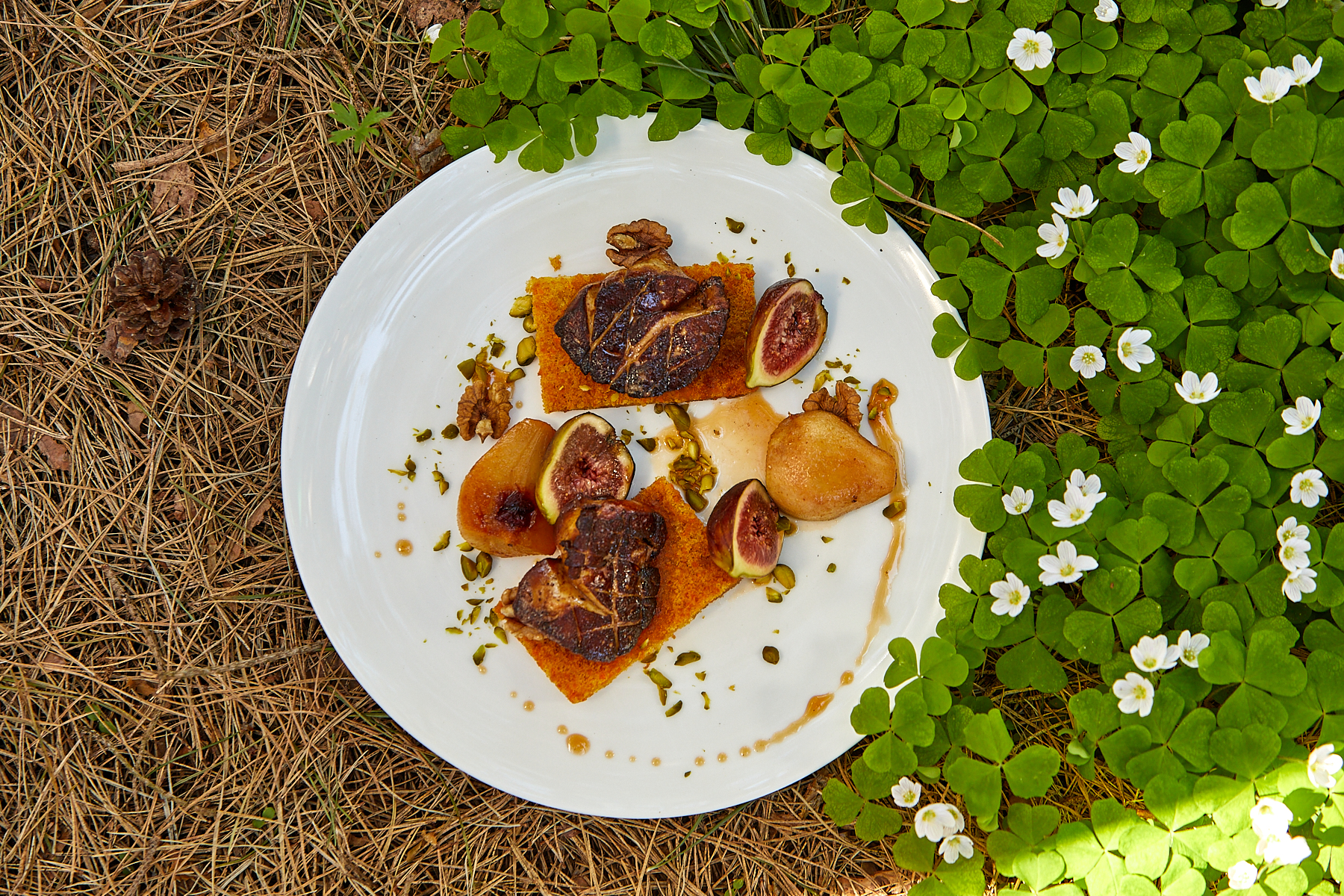 Pan fried foie gras in goose fat, served with date cake Duck lard, Goose lard
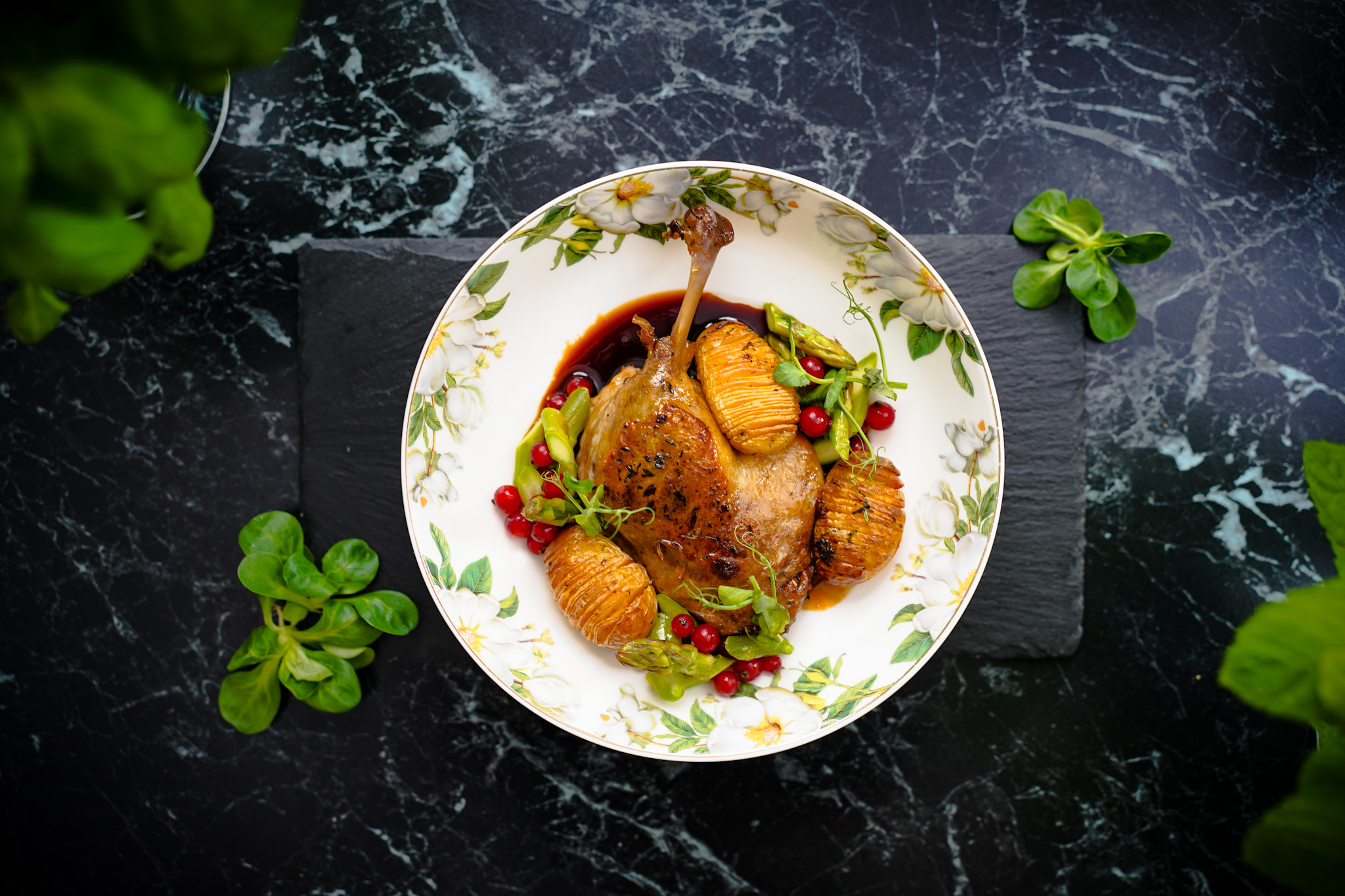 Duck leg with hasselback potatoes and asparagus Beef Tallow, Premium Duck lard
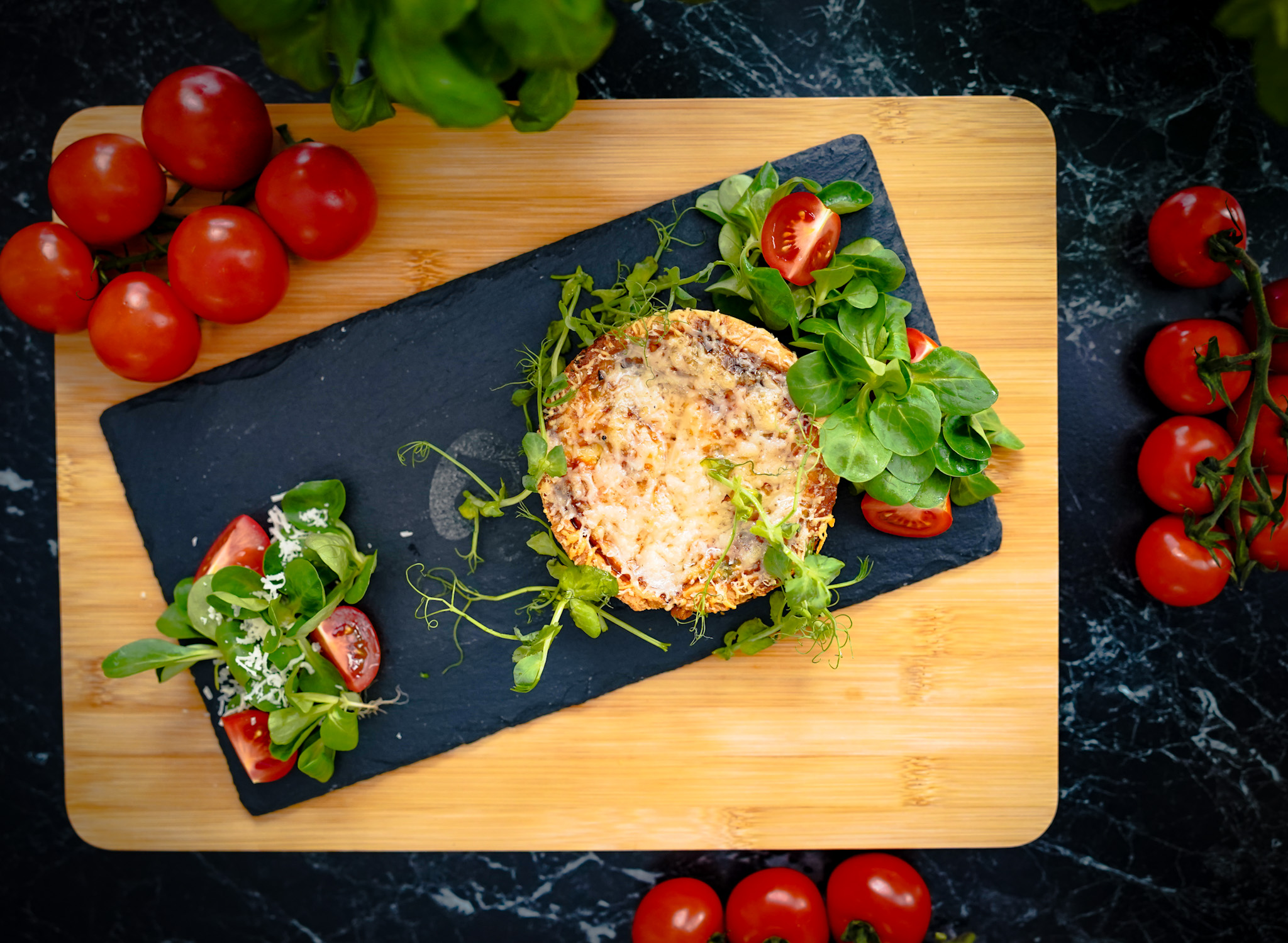 Tart with bacon and leek Premium Goose lard
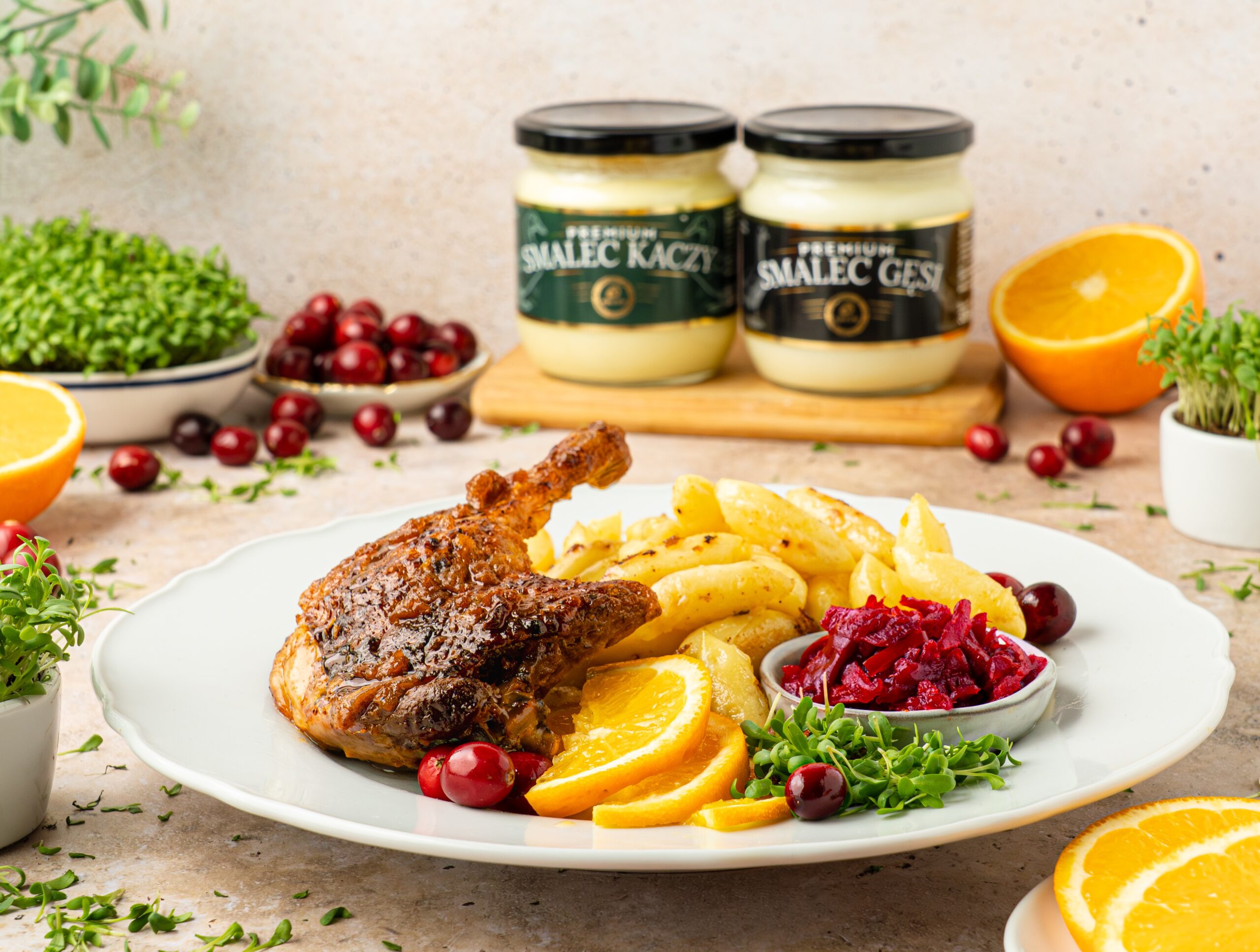 Roast Duck Legs with Oranges and Cranberries Premium Goose lard, Premium Duck lard
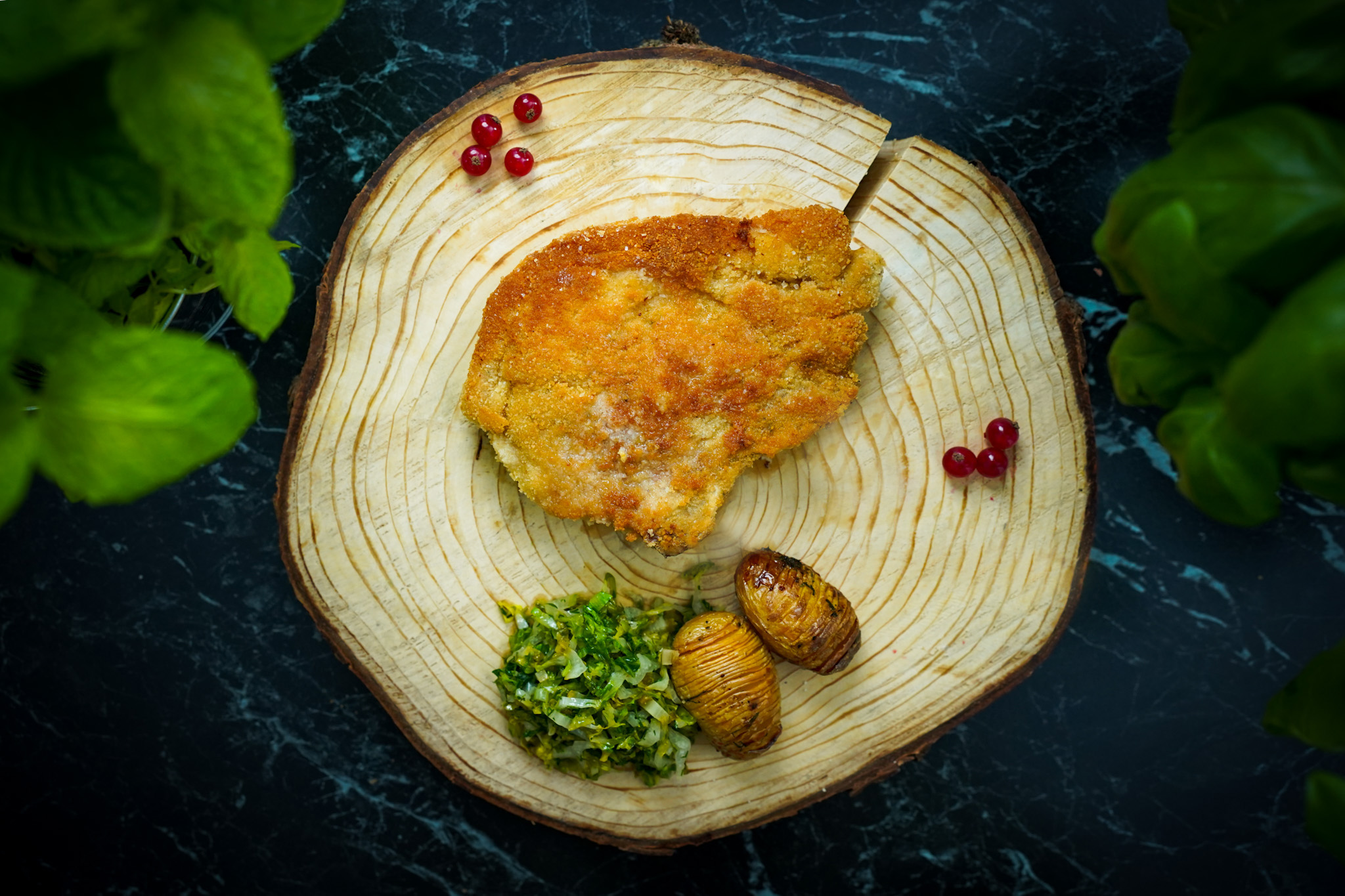 Bone-in Pork Loin from Złotnicka Pig Pork lard
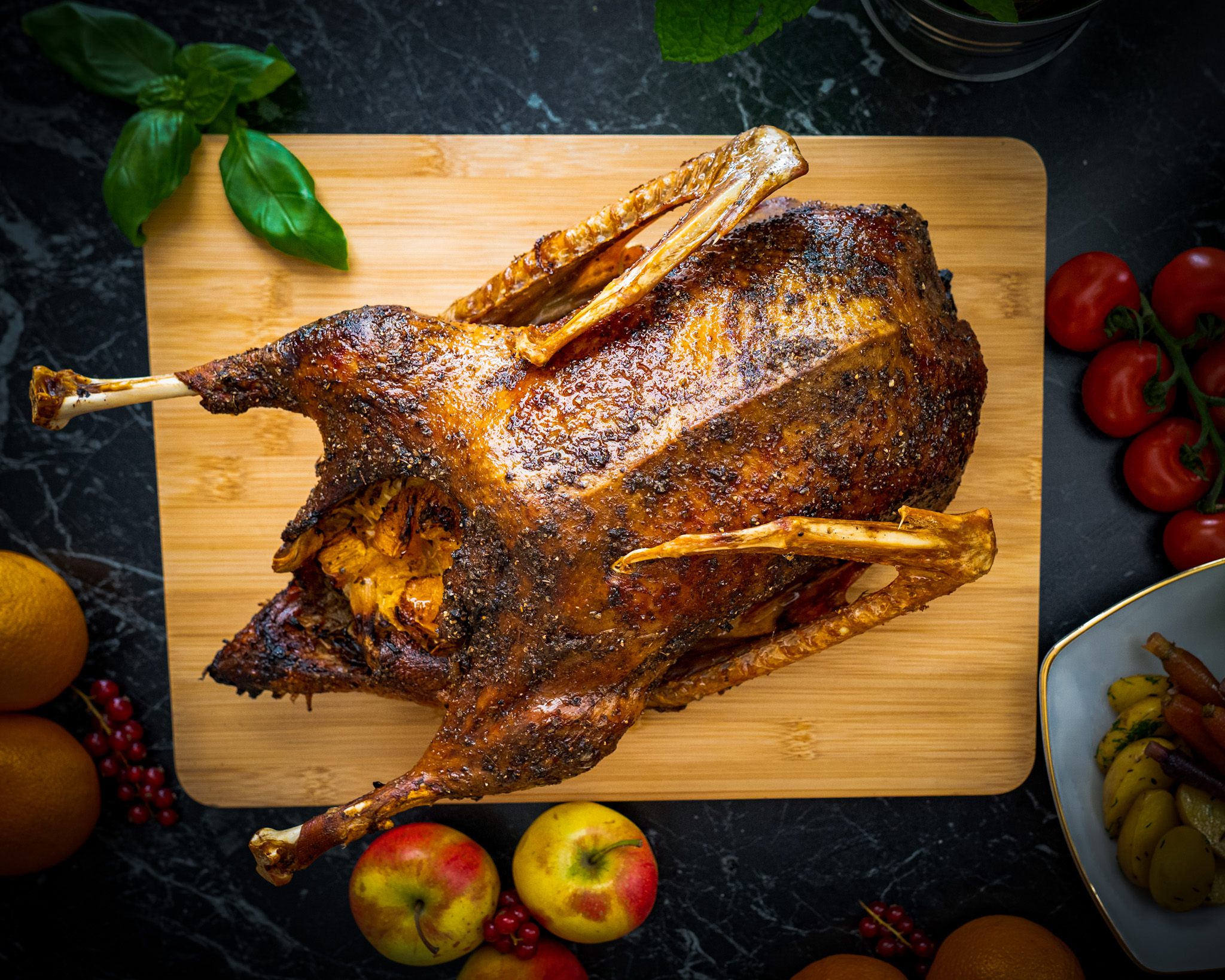 Roast Oat-Fed Goose Stuffed with Apple and Oranges Premium Goose lard
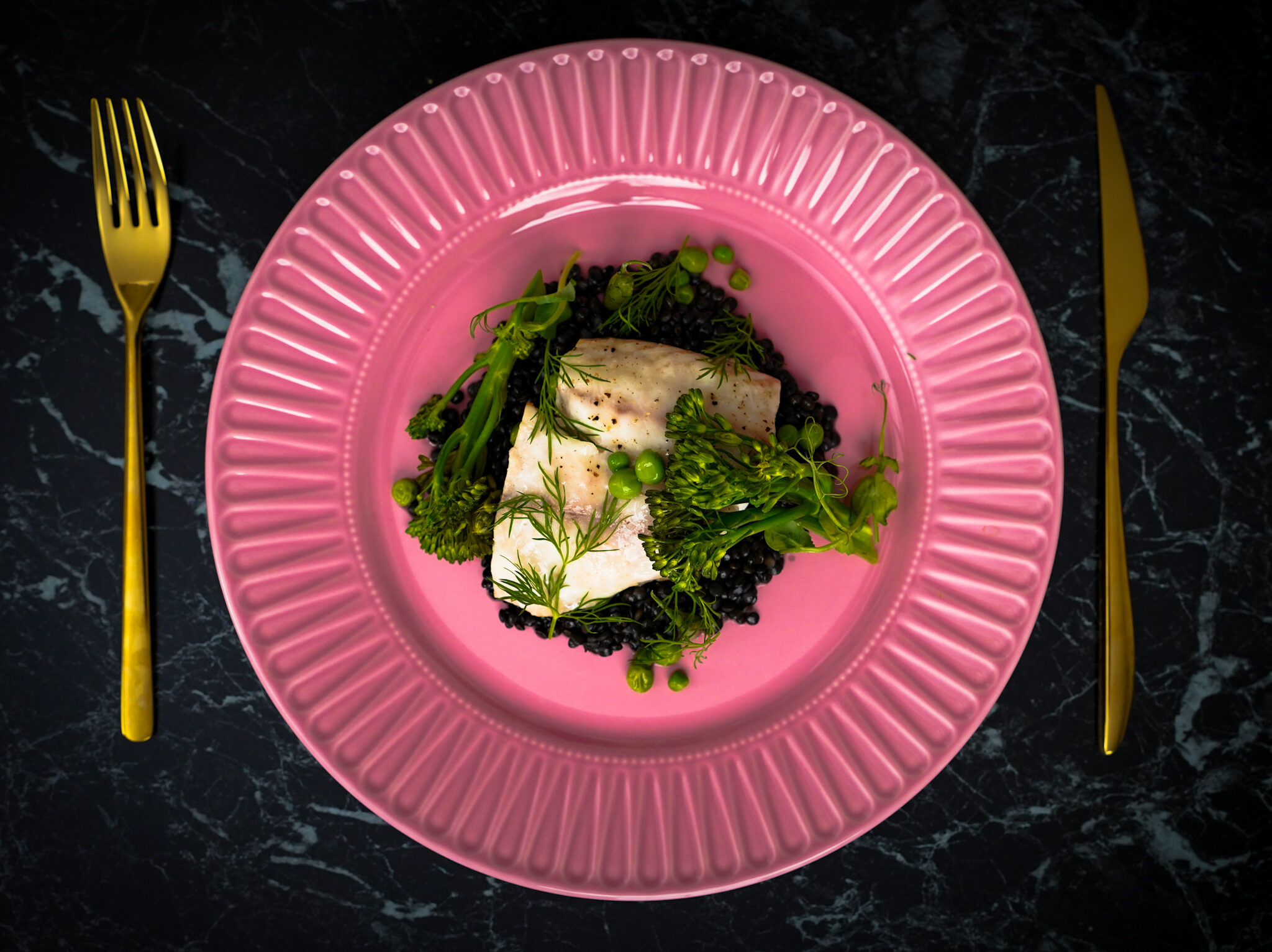 Baked Cod with Black Lentils and Green Vegetables Premium Duck lard, Duck lard
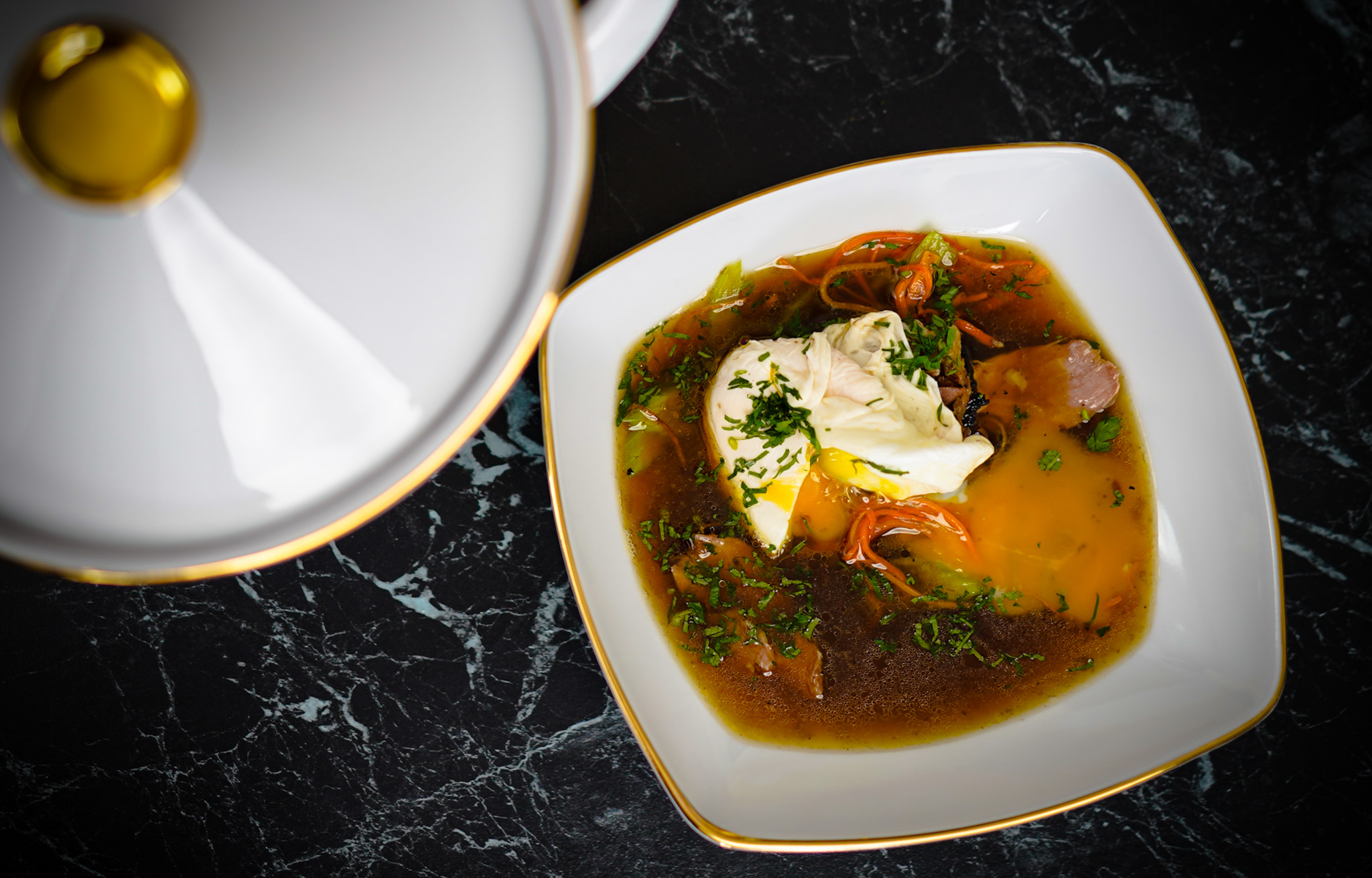 Duck broth with roasted duck, vegetables, and poached egg Premium Duck lard, Duck lard
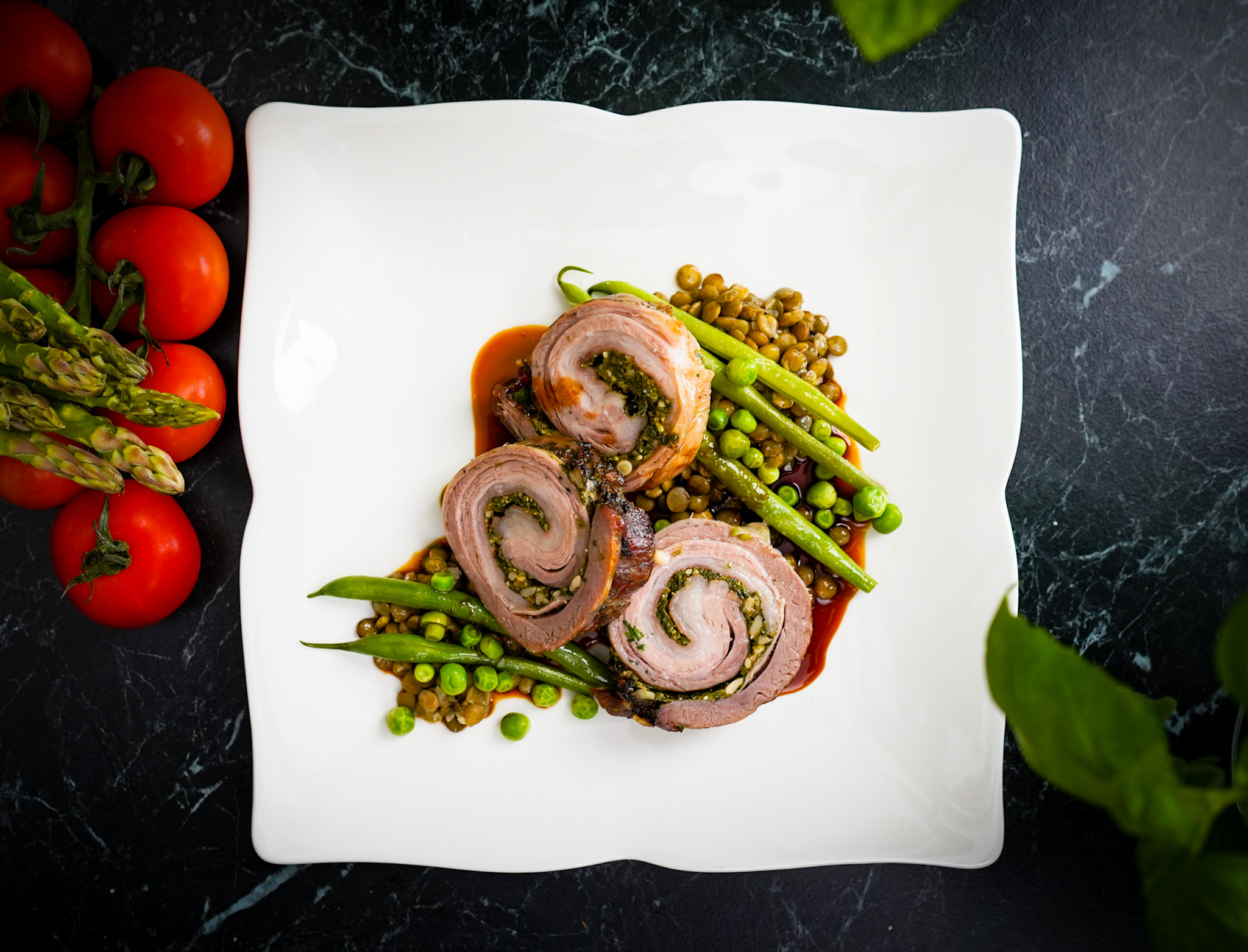 Lamb Lambchetta with homemade pesto and Puy green lentils Goose lard, Duck lard, Premium Goose lard, Premium Duck lard
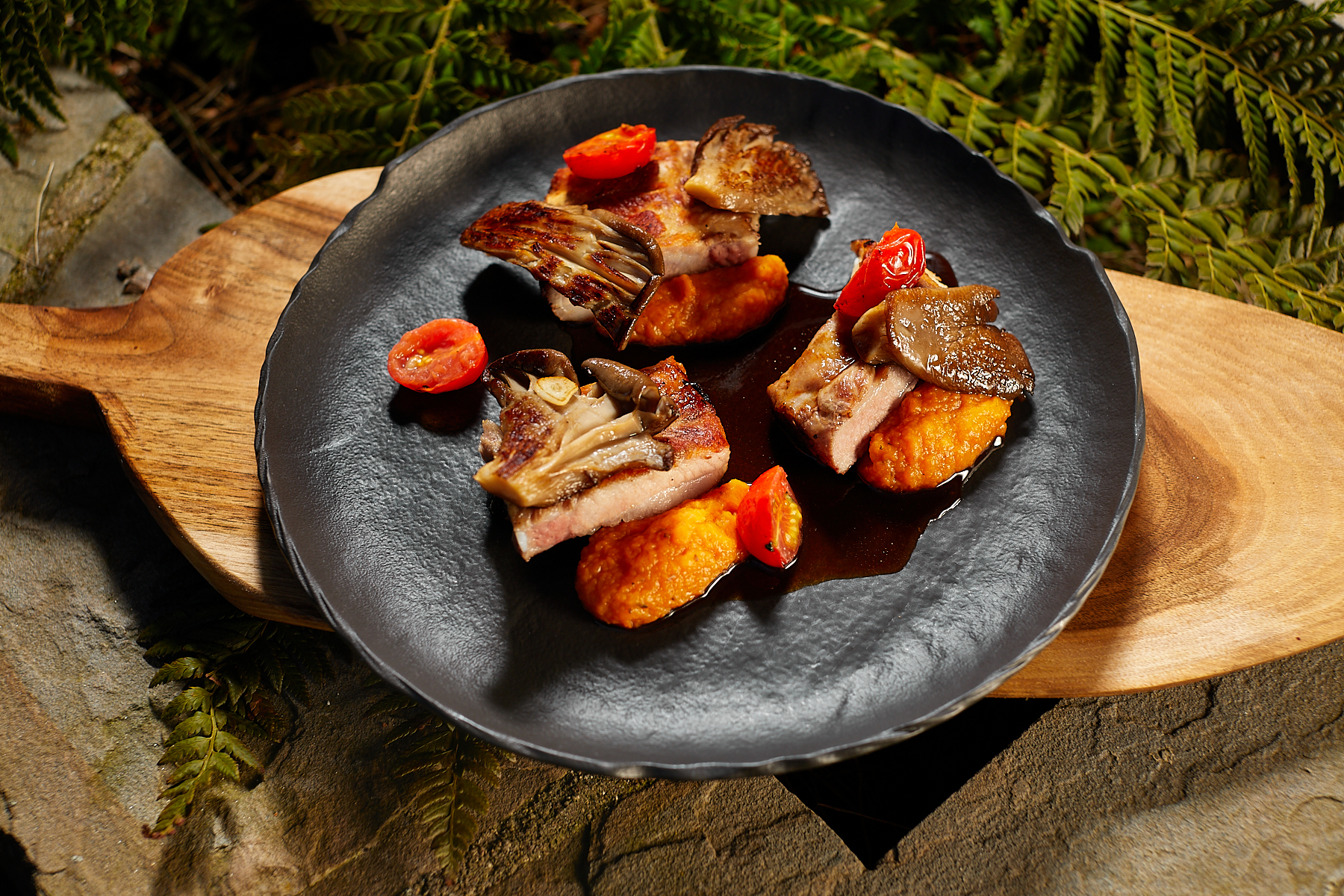 Pork ribs served with pumpkin purée and sautéed oyster mushrooms Pork lard Pan-seared Foie Gras in goose fat, served with date cake Premium Duck lard, Premium Goose lard, Goose lard, Duck lard Beef ribeye steak served with roasted potatoes, green asparagus with a butter emulsion, and porcini mushrooms Premium Duck lard, Duck lard
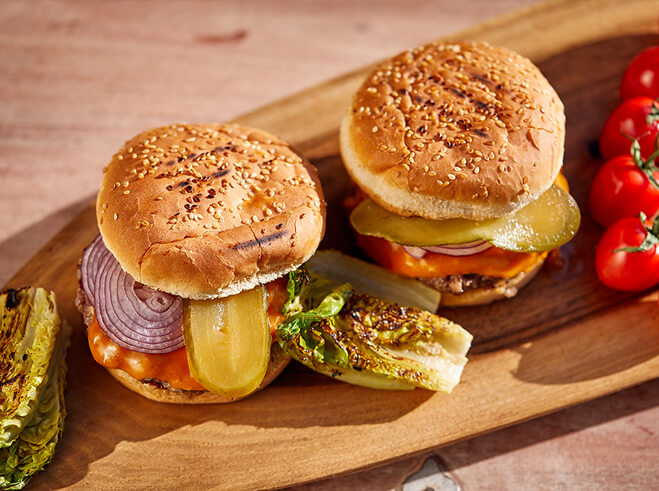 Beef ribeye burger. Served in a brioche bun with tomato paste, sautéed baby romaine lettuce, red onion rings, and pickled cucumber Premium Goose lard, Premium Duck lard, Goose lard, Duck lard
We also recommend
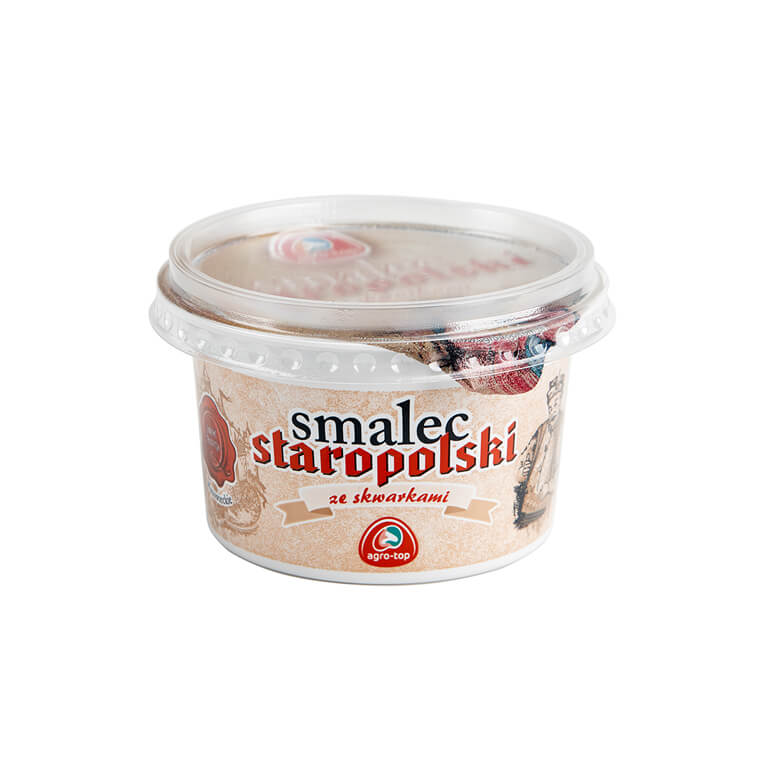
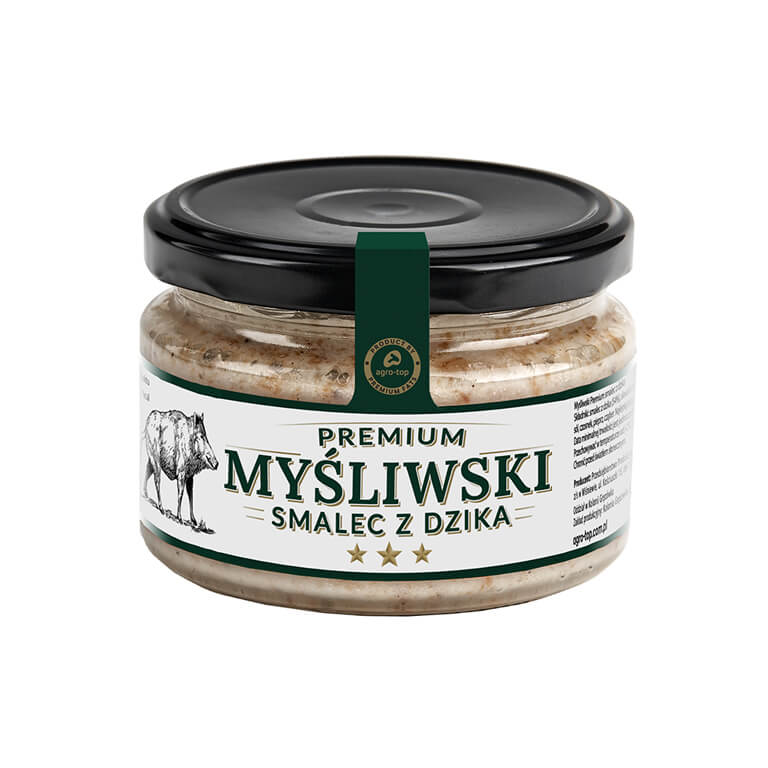
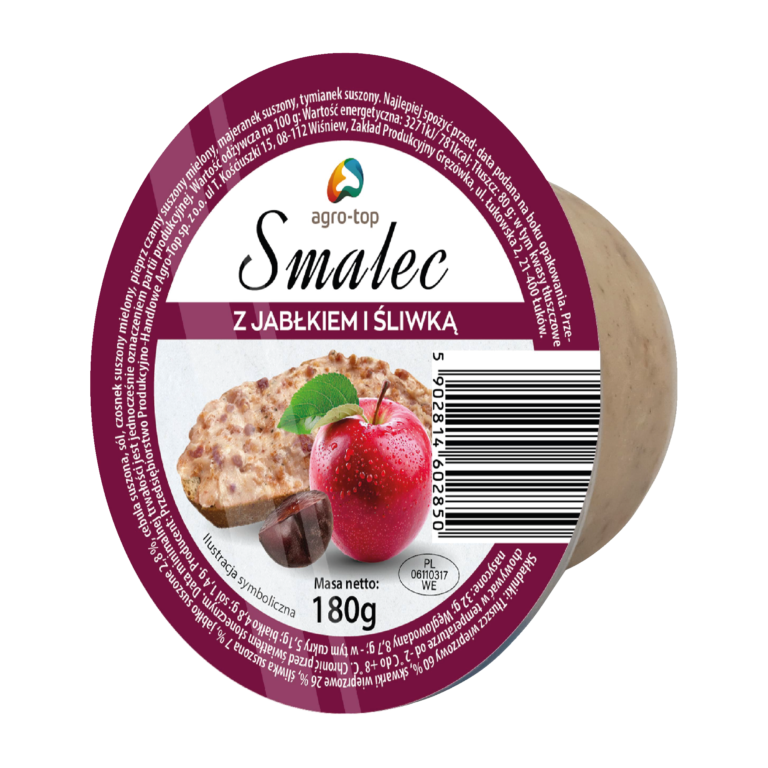
FAQ - Frequently Asked Questions
What is lard, exactly, and what is lard made from?
Lard is rendered pork fat – natural fat slowly melted down from the pig until it becomes a smooth, creamy fat suitable for spreading or cooking. Polish lard goes one step further by stirring in pork scratchings, onion, garlic, and herbs to create a ready-to-eat seasoned spread.
Is lard healthy? Is lard good for you?
Research suggests pork lard has a more balanced fatty acid profile than its old reputation implied: over 60% unsaturated fatty acids, including oleic acid (the same kind found in olive oil). It is thermally stable for cooking and can fit comfortably into a balanced diet. This is general nutritional information, not medical advice.
What does Polish lard with scratchings taste like?
Rich and savoury, with a creamy base broken up by crunchy pork scratchings and sweet golden onion. The marjoram and garlic give it a distinctly Polish, slightly herby character – a long way from plain unseasoned lard.
How do you eat lard on bread, and what else can you use it for?
Most commonly cold, spread thickly on rye bread or sourdough with pickled gherkins, radish, or raw onion. It also works warm – melted over boiled potatoes, dumplings, or grains, and as a flavourful fat for frying onions or meat.
Is lard better than butter for cooking?
Lard has a higher smoke point than butter, which makes it more stable for frying and high-heat cooking. Butter has its own advantages in baking and sauces, but for savoury frying, traditional pork lard is often the more practical choice.
What is the smoke point of lard?
Lard has high thermal stability and tolerates frying temperatures well without breaking down or splattering. That is one of the reasons it has been used for centuries as a primary cooking fat in European kitchens, and why food cooked in lard tends to develop a cleaner colour and flavour.
What are the pork scratchings in this lard?
They are crispy pieces of pork created during the rendering process – the same fat-and-skin pieces that crisp up while the fat is being melted out. They give the spread its texture, deeper aroma, and authentic character.
Does lard need to be refrigerated?
After opening, yes – keep it sealed in the fridge. The airtight glass jar protects the spread from picking up other fridge odours and helps it keep its texture, aroma, and freshness through the use-by date on the label.
Is Polish lard the same as regular lard?
No. Plain lard is unseasoned rendered pork fat used as a cooking or baking ingredient. Polish lard (smalec ze skwarkami) is a finished spread, already seasoned with onion, garlic, marjoram, and pepper, with pork scratchings stirred through.
Where can I buy Old Polish Lard with Scratchings?
Our products are available in Poland through selected food retailers, delicatessens, and traditional food wholesalers across the country. For international enquiries, distribution opportunities, or to order directly from the producer, please contact Agro-Top – we work with partners in nearly 40 countries worldwide.